Five states, five sets of rules
A tank removal in Scranton and a tank removal in Greenwich are the same eight hours of work at different prices, under different paperwork, with different consequences if the soil comes up dirty. These pages carry what's specific to each state: who issues the permit, who takes over when there's contamination, what buyers and insurers there insist on, and where the oil-heated housing stock actually sits.
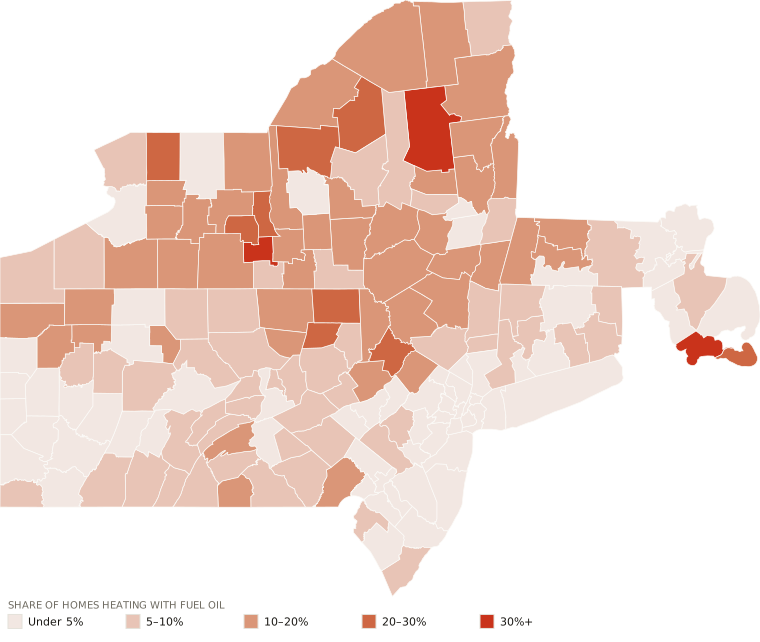
Household and county counts: Census ACS 2020–2024 5-year estimates, table B25040. Cost figures are 2025–2026 market ranges — informational, not quotes.
-
New Jersey
$1,500–$3,500 typical. The most tank-aware market in the country: buyer sweeps are routine, NJDEP governs contamination, and the state fund is backlogged. Deepest coverage on this site, including eight county pages.
-
New York
$1,700–$4,500 typical. Two markets in one state — downstate labor and disposal at the top of the range, upstate counties with the highest oil-heat share. Releases report to NYSDEC within two hours.
-
Connecticut
$1,500–$3,800 typical. Local fire marshals sit in the middle of most jobs, DEEP sets the cleanup threshold, and there is no state fund for homeowners at all.
-
Massachusetts
$1,800–$4,200 typical. Fire departments issue the permits, MassDEP governs releases under Chapter 21E, and a 2010 law makes insurers offer leak coverage most homeowners never buy.
-
Pennsylvania
$1,200–$3,200 typical — the cheapest of the five. Also the thinnest safety net: USTIF's heating-oil door opens at 3,000 gallons, which excludes every residential tank.
Where the oil heat is
Get a quote for your address
State ranges tell you what to expect; only a licensed contractor at your property can quote the job. Tell us where you are and a person here replies within one business day.